What is a Proxy-Aware Email Tracker?

Executive Summary
A proxy-aware email tracker intelligently distinguishes between a real human opening an email and an automated bot scanning the inbox for security purposes. Because legacy tracking tools blindly log every single server ping, they routinely supply users with falsely inflated "open" notifications. Modern proxy-aware systems solve this by utilizing intelligent network filtering to discard data center noise, delivering clean, reliable engagement timelines.
The Flaw in Legacy Email Trackers
To understand why proxy-awareness is critical, you must understand how traditional email tracking fails. Basic tracking tools operate on a very simple premise: they embed a 1x1 invisible image into your email. When the recipient opens the email, their device downloads the image from the tracking server. The tracker registers that download and alerts you that the email was opened.
A decade ago, this basic model worked flawlessly. However, the modern internet has evolved. Today, when a tracker's server receives an image request, it is no longer guaranteed that a human is looking at a screen. The internet is now flooded with automated security bots, enterprise firewalls, and privacy caching servers. Legacy trackers lack the intelligence to differentiate between these bots and humans, meaning they blindly record every request as a legitimate "open."
How Enterprise Proxies Disrupt Tracking Data
When you send an email to a modern provider—like a corporate Google Workspace account or an iCloud address—the recipient's inbox does not let images download directly to their device right away. Instead, they use intermediate servers known as "proxies."
Major infrastructure updates like Apple Mail Privacy Protection (AMPP) and Google Image Proxy proactively intercept incoming emails. Their data center servers will download the tracking pixel in the background—often checking for malware or caching the image so it loads faster for the user later. To a legacy tracker, this automated proxy scan looks exactly like a human opening the email. As a result, you might send a proposal and immediately receive a notification that it was "read," when in reality, it was just an Apple server cataloging the message before the client ever saw it.
How Proxy-Aware Systems Filter the Noise
A proxy-aware tracking engine restores accuracy to your email analytics by mathematically evaluating the network footprint of every request. Rather than treating all incoming server hits equally, the system analyzes the source of the traffic.
By cross-referencing incoming requests against known data center databases (such as AWS, Google Cloud, and major enterprise firewalls), a proxy-aware system can identify the behavioral signatures of automated bots. When a request originates from an automated caching server rather than a standard Internet Service Provider, the proxy-aware engine intelligently filters that noise out. It acts as a digital bouncer, refusing to log the event as a genuine open, thereby preventing false notifications from corrupting your data.
The Benefit of Clean Network Timelines
The ultimate goal of email tracking is actionable intelligence. If you cannot trust the data on your screen, the tracking software is useless. For professionals timing a follow-up call on a critical pitch or monitoring a freelance invoice, acting on a false "bot open" can appear overly eager or unprofessional.
MailPing's infrastructure is built entirely on proxy-aware intelligence. By automatically suppressing data center noise, MailPing ensures that the timeline events you see are genuine. Instead of cluttered, confusing logs, users are presented with clear, highly reliable engagement metrics—verifying human interaction and displaying only the essential routing data: the connecting Network (ASN), the geographic Country, and the edge-masked IP address.
Explore the Tracking Fundamentals Cluster
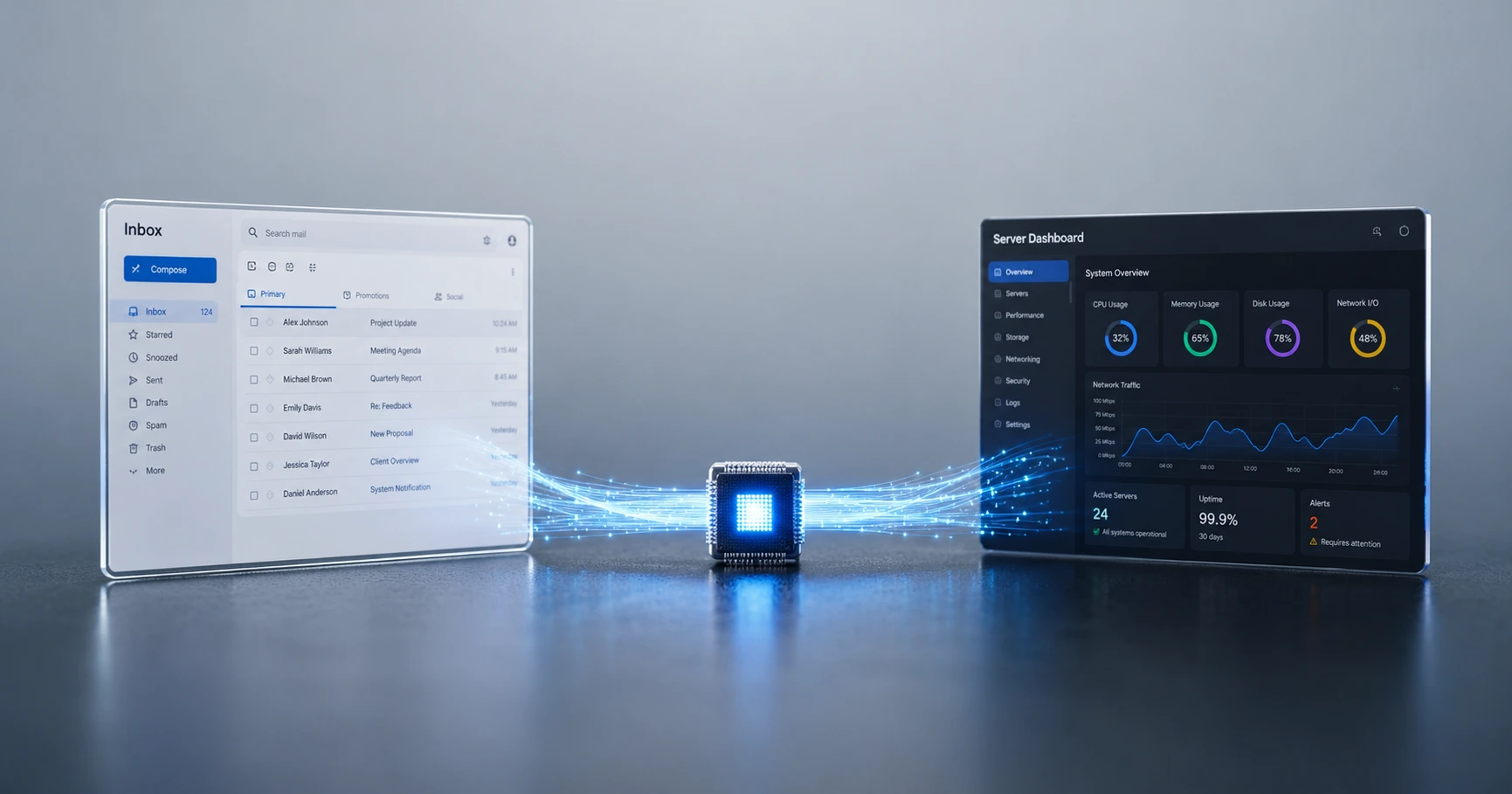
How Email Tracking Works: The Ultimate Guide to Pixels and Proxies
Email tracking relies on standard web architecture, specifically the downloading of an invisible 1x1 image.

Try MailPing for free
Generate an invisible, proxy-aware tracking link to confidently verify when your important emails are opened. No CRM required, zero inbox access.
Related Questions
How do proxy servers ruin email tracking data?
When modern email clients receive an email, their proxy servers automatically download all attached images in the background to scan for malware or cache them for faster loading. Legacy tracking pixels cannot tell the difference between this automated server download and a real human opening the message, leading to falsely inflated "open" notifications.
Why is MailPing's proxy-aware engine more accurate than legacy tools?
MailPing does not blindly log every server request. Instead, it utilizes an advanced proxy-aware engine to analyze the network footprint of each interaction. By cross-referencing incoming requests against known data center networks and applying intelligent filtering, MailPing discards automated bot noise. You only see the genuine human opens on your dashboard, complete with clean Network, Country, and masked IP data.